| Amazon Expedition Travel
|
 |
|
|
|
| User Functions
|
|
|
Don't have an account yet? Sign up as a New User
|
|
| Help support this site!
|
|
|
Help support this site... your donations are needed to support research, conservation, and rescue efforts.
|
|
|
|
| Welcome to "FreeParrots.net" |
|
Friday, July 05 2013 @ 07:10 PM UTC
Contributed by: MikeSchindlinger
Views: 35540
|
  This site is a meeting ground for rescue shelters, animal welfare societies, and conservationists... and the people who share their concern and love for parrots.
The website is developed through user submissions, so please sign up, sign in, and start posting! This site is a meeting ground for rescue shelters, animal welfare societies, and conservationists... and the people who share their concern and love for parrots.
The website is developed through user submissions, so please sign up, sign in, and start posting!
|
|
|
| Rare proof of life for elusive Australian parrot |
|
Friday, July 05 2013 @ 06:57 PM UTC
Contributed by: MikeSchindlinger
Views: 31710
|

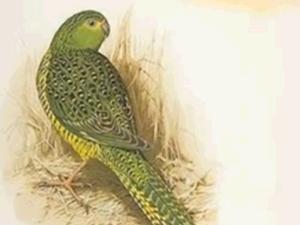 SYDNEY - An intrepid Australian bird-spotter has captured the best evidence in a century of a live "night parrot", a rare creature that ranks among the world's most enigmatic avian species, scientists said Thursday. SYDNEY - An intrepid Australian bird-spotter has captured the best evidence in a century of a live "night parrot", a rare creature that ranks among the world's most enigmatic avian species, scientists said Thursday.
John Young, a naturalist photographer, presented photos and video of the small, yellowish-green parrot to experts at the Queensland Museum this week which government scientist Leo Joseph said "make it seem very clear that he's found the bird".
Researchers feared for decades that the nocturnal, desert-dwelling parrot was extinct, with no sightings between 1912 and 1979 and only a handful since, prompting the Smithsonian Magazine in 2012 to list it at number one among the world's five most mysterious birds.
|
|
|
| Colombian reserve to double in size, aiding critically endangered parrot |
|
Tuesday, May 15 2012 @ 07:09 PM UTC
Contributed by: MikeSchindlinger
Views: 35038
|

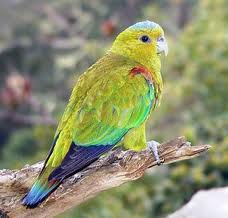 The critically endangered Fuertes’s Parrot and eleven other globally threatened species of birds, mammals, and amphibians will receive greater protections thanks to a joint effort by Fundación ProAves, World Land Trust-US, Robert Giles, Loro Parque Fundación and American Bird Conservancy. The critically endangered Fuertes’s Parrot and eleven other globally threatened species of birds, mammals, and amphibians will receive greater protections thanks to a joint effort by Fundación ProAves, World Land Trust-US, Robert Giles, Loro Parque Fundación and American Bird Conservancy.
These organizations joined forces to acquire about 356 acres of land to double the size of the existing Giles-Fuertesi Nature Reserve. The reserve is managed by ProAves, ABC’s Colombian partner and the leading conservation organization in that country.
With fewer than 250 individuals thought to exist, the beautifully colored Fuertes's Parrot is one of the world’s rarest birds. Also known as the Indigo-winged Parrot, it was thought to be extinct for 90 years, but was rediscovered in 2002 when ProAves biologists, funded by an ABC grant, discovered a small population of about a dozen individuals living in fragmented and unprotected high-Andean cloud forests at the site of this reserve. The Fuertes’s sole breeding habitat remains a 19-square-mile area.
“The Fuertes’s Parrot is endemic to Colombia and exists only in the wild at two sites where it bizarrely depends on epiphytic mistletoe fruits,” said Lina Daza, Executive Director of FundaciónProAves, “so with our partners support to secure private lands for its conservation, we have ensured a new and important lease of life to this wonderful parrot and a major step away from the abyss of extinction.”
|
|
|
| Feathered Friends Forever.org Expanding! |
|
Tuesday, January 10 2012 @ 06:15 PM UTC
Contributed by: birdrescueron
Views: 32136
|
 With over 800 birds, Feathered Friends Forever is now America's largest nonprofit Rescue & Sanctuary for abandoned, abused and unwanted parrots of all sizes.
FFF is working to double the size of Parrot Paradise Park. 5 acres are being cleared to install new state of the art outdoor aviaries. These will include running water streams, permanent metal roofing, misting systems to reduce summer heat and automated feeding systems. The first of this design houses cockatoos and they love it!
|
|
|
| New Australian Parrot Species Discovered |
|
Sunday, December 19 2010 @ 12:06 PM UTC
Contributed by: MikeSchindlinger
Views: 35695
|
A team of Australian researchers has identified a new, critically endangered species of ground parrot in Western Australia.
By the BirdChannel.com News Division
Posted: December 15, 2010, 11:00 p.m. PST
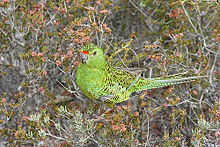 Australian researchers have identified a new, critically endangered species of ground parrot in Western Australia.The team, led by Australian Wildlife Conservancy’s Dr. Stephen Murphy, used DNA from museum specimens up to 160 years old to reveal that populations of ground parrots in eastern and western Australia are highly distinct from each other and that the western populations should be recognized as a new species, Pezoporus flaviventris. Australian researchers have identified a new, critically endangered species of ground parrot in Western Australia.The team, led by Australian Wildlife Conservancy’s Dr. Stephen Murphy, used DNA from museum specimens up to 160 years old to reveal that populations of ground parrots in eastern and western Australia are highly distinct from each other and that the western populations should be recognized as a new species, Pezoporus flaviventris.
“The discovery has major conservation implications,” said Murphy in an Australian Wildlife Conservancy press release. “The Western ground parrot has declined rapidly in the last 20 years, there are now only about 110 birds surviving in the wild and most of these are confined to a single national park. It is now one of the world’s rarest birds.”
|
|
|
| World's only migratory parrots in peril |
|
Thursday, May 20 2010 @ 01:52 PM UTC
Contributed by: MikeSchindlinger
Views: 13587
|
Two Australian parrots migrate annually over Bass Strait — a voyage that threatens their survival.
WHEN WE THINK OF animal migration, images come to mind of great herds of caribou moving across the tundra or of the dust rising on Africa's Serengeti under the hooves of thousands of wildebeest. But the true champions of migration are the birds.
Every year hundreds of millions of birds from massive storks and geese down to the tiniest hummingbird take to the wing on a journey into the unknown. The Arctic tern makes an annual pilgrimage from the Arctic Circle to the edge of the Antarctic pack ice and back again. And last year a ruddy turnstone (a dumpy shorebird about half the size of a chicken) was tracked on a 27,000 km round trip from Australia to Siberia and Alaska, at times flying for six days non-stop across the oceans.
This last weekend on World Migratory Bird Day (9 May), people gathered around the globe to celebrate the wonder of bird migration. Few would have had parrots in their thoughts, but here in Australia we have the world's only two long-distance migratory parrots.
|
|
|
Previous 1 2 3 4 5 6 7 8 9 10 Next |
|
| Who's Online
|
|
Guest Users: 12
|
|
| Foster Parrots - Adoption and Conservation
|
|
|
|
|
| Vote
|
|
How many years have you lived with a parrot?
1854 votes | 0 comments
|
|
| Vote
|
|
Where does your parrot's species live? (Cast an additional vote for each bird you live with)
1307 votes | 3 comments
|
|
| Adopt a Parrot
|
|
|
|
|
| Current Parrot News
|
|
|
Conservation Program Prepares Captive Parrots For Life In The Wild - Texas A&MThese parrots once roamed the American Southwest. Scientists are trying to help them : Short Wave - NPRKey transit province in DRC bans gray parrot capture and trade - MongabayDoes parrot farming protect wild species? Wildlife trade researchers review the evidence - The ConversationNew Study Urges Caution Over Growing Trade in Captive-bred parrots - World Animal ProtectionVantara reintroduces 41 extinct-in-the-wild Spix’s Macaws in Brazil - Nation ThailandThis unorthodox method is saving baby parrots from extinction - National GeographicWorld Parrot Day: Wild Africa, World Parrot Trust call for stronger protection of parrots in Nigeria - EnviroNews NigeriaFinalists for 2025 Indianapolis Prize helping protect parrots, manatees, jaguars and more - IndyStarCritically endangered parakeets get a new home on New Zealand island - Mongabay'Another record' expected as more captive-bred orange-bellied parrots released - Australian Broadcasting CorporationBreaking Chains, Saving Wings: Wildlife SOS-GSPCA and Forest Department Rescue Parrots from Captivity - Pune Times MirrorCelebrating World Parrot Day: Introducing the IUCN SSC Wild Parrot Specialist Group to Boost Global Parrot Conservation - International Union for Conservation of NatureFIU conservation scientists give trafficked, endangered parrots fighting chance - FIU NewsUC student's parrot conservation work featured in new docuseries - University of CincinnatiChina’s plans to trace wildlife trade risks inflaming trafficking, critics warn - MongabayFor ‘extinct’ Spix’s macaw, successful comeback is overshadowed by uncertainty - MongabayCurrent protected areas not enough to save parrots from extinction: Study - MongabaySingapore’s Wild Bird Trade Raises Troubling Questions About African Grey Parrots - WCS NewsroomRare orange-bellied parrot chick born at Victorian wildlife conservation park - Pulse TasmaniaAfrican grey parrots – cruel conservation concern and pandemic threat discovered in vodou markets - World Animal Protectionillegal trade in parrots punished with strong convictions - International Fund for Animal Welfare | IFAWCan We Conserve Endangered Parrots By Keeping Them In Cities? - ForbesSaving parrots in the illegal wildlife trade with DNA technology - Earth.comEU’s legal loophole feeds gray market for world’s rarest parrot - MongabayTexas A&M Researchers Apply Free-Flight Training To Parrot Conservation - Texas A&MParrots - Defenders of WildlifeCelebrating World Parrot Day: Costa Rica's Commitment to Conservation and Awareness : - The Tico TimesVideo: Thousands of illegally caught African gray parrots being rehabilitated - MongabayArizona’s Extirpated, Native Parrots - MeatEaterTrade in African Grey Parrots for Belief-Based Use: Insights From West Africa's Largest Traditional Medicine Market - FrontiersField Notes: Reinvigorating wild parrot populations with captive birds - MongabaySome of San Francisco's iconic wild parrots are sick. Meet the people who are saving them. - SFGATEThis Popular Parrot 'Talks' Like Us. But We're Silencing It. - National GeographicSaving the blue parrots of South America - BBC EarthUS Fish And Wildlife Provides Funding To Help Conserve The Puerto Rican Parrot - ForbesThe K�k�p� Parrot Returns To New Zealand - Science FridaySaving flightless parrots from extinction - BBC Wildlife MagazineThere are 14 wild orange-bellied parrots left – this summer is our last chance to save them - The ConversationOrange-bellied parrot shows there’s more to saving endangered species than captive breeding - The ConversationJuan Carlos Cantú - Defenders of WildlifeMore capacity building funds needed for small nonprofit conservation groups (commentary) - MongabayEcho parakeet management programme - ZSLGlobal trade in African grey parrots banned - Phys.org(PDF) Advancing Genetic Methods in the Study of Parrot Biology and Conservation - researchgate.netThis parrot was thought to be extinct in the wild — until a farmer spotted one - The Washington PostCritically Endangered Parrot Bounces Back in Huge Conservation Victory - ScienceAlertInternational trade in African grey parrots banned - MongabayAfrican grey parrot has global summit to thank for protected status | Illegal wildlife trade - The GuardianRare Parrots Rebound In New Zealand And Australia - WorldAtlasEndangered Neotropical Parrots Inform In Situ and Ex Situ - researchgate.netHabitat Preferences of the Grey Parrot in Heterogeneous Vegetation Landscapes and Their Conservation Implications - Wiley Online LibraryConservation Concern for the Deteriorating Geographical Range of the Grey Parrot in Cameroon - Wiley Online LibraryParrots Seized from Congolese Traffickers in April 2022 released to the wild - Modern GhanaHow hobby bird breeders believe they can help save endangered parrots - Australian Broadcasting CorporationHopes of saving orange-bellied parrot hang on foster baby - Australian Broadcasting CorporationForest conservation: Saving the endangered Cape parrot’s natural habitat by planting one tree at a time - Daily MaverickDon’t give up on orange-bellied parrots yet, there’s still hope - The ConversationUWEC releases back into the wild rehabilitated African grey parrots - Nilepost NewsIslamabad takes proactive measures to protect parrots - The News InternationalWorld Sensation: Return of a Parrot Species Extinct in the Wild – Project Updates - lifePRUWEC unveils African Grey Parrot Conservation Center - ChimpReportsParrots Seized from Congolese Traffickers Released to the Wild - SoftPower NewsWorld sensation: Return of a parrot species extinct in the wild - lifePREarth Wire -- Global trade in wild African Grey Parrot banned, U.N. meeting rules - ANTARA News119 Grey African Parrots seized from Congolese traffickers released to the wild - standardmedia.co.keUWEC opens Uganda’s first grey parrot conservation centre - Daily MonitorUganda releases over 50 captive parrots into the wild - NewVision.co.ugUganda releases parrots seized from Congolese traffickers - PML Daily
|
|
|
|
|